

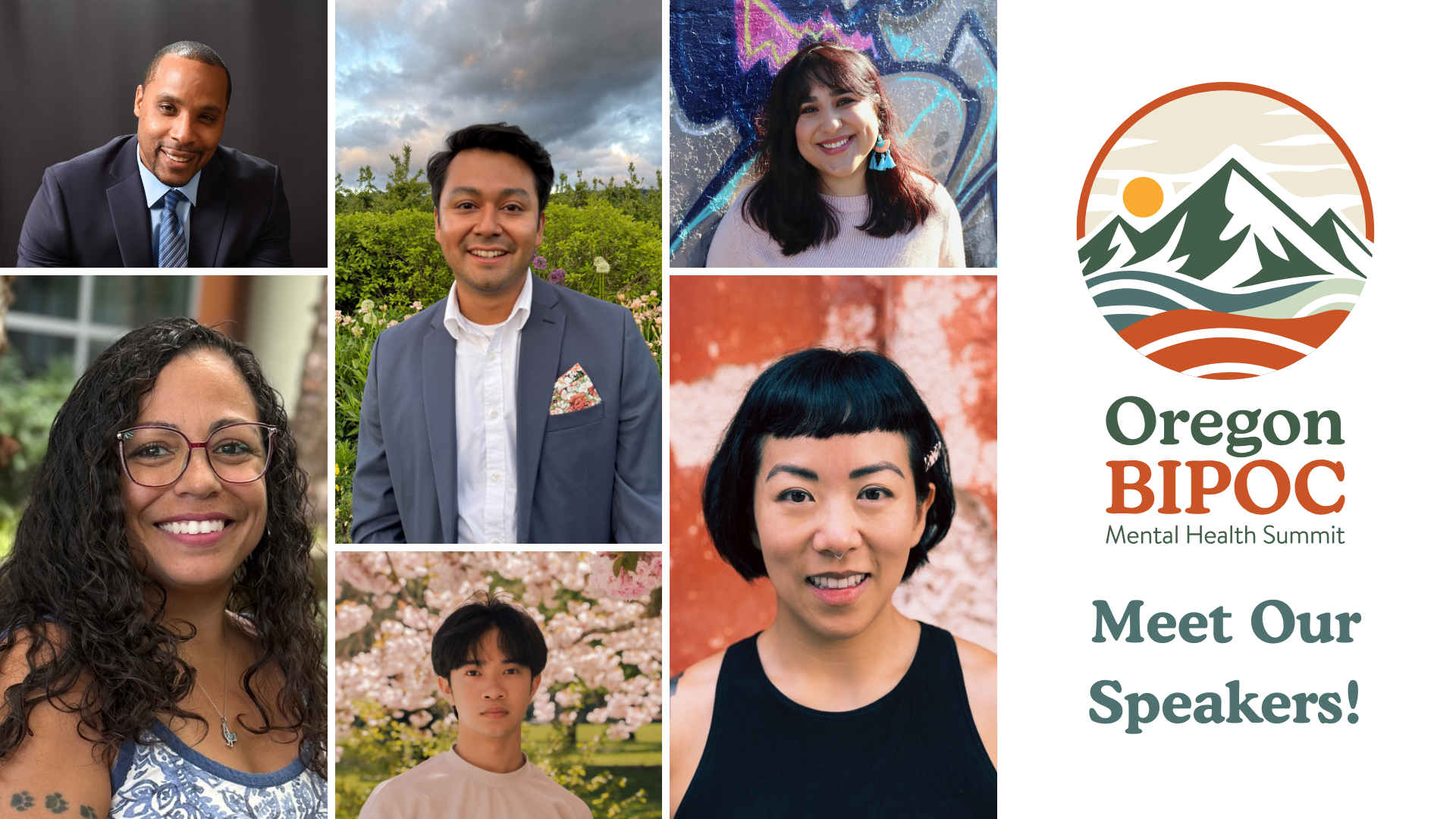
We are just weeks away from our Oregon BIPOC Mental Health Summit, and we are so excited to bring together an incredible community of mental health professionals, educators, healers, and leaders to share their knowledge with you all. Read more about the 3 different tracks at the summit and the speakers who will be joining us!
Keynote Speaker
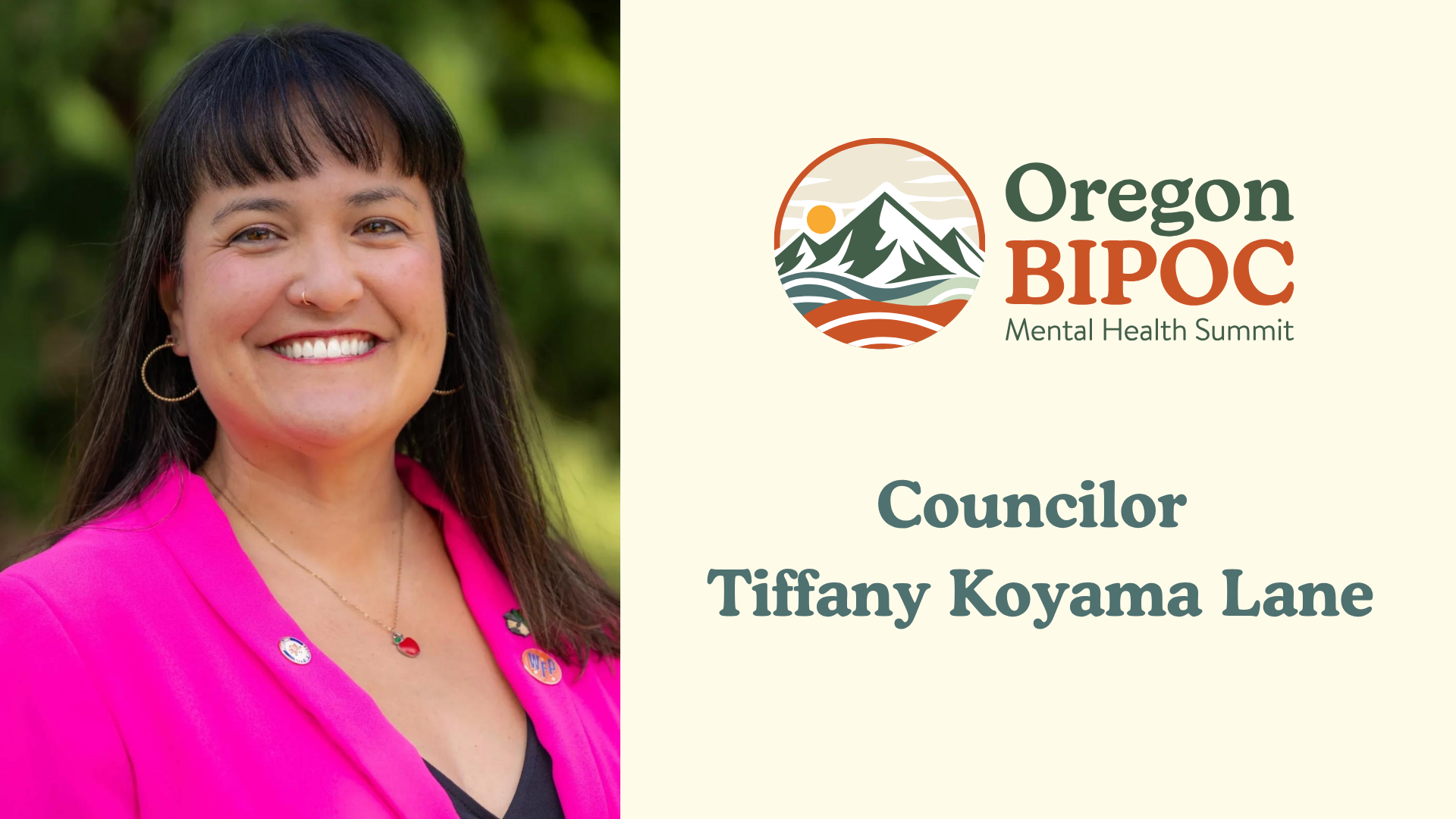
Councilor Tiffany Koyama Lane | Keynote Speaker
Councilor Koyama Lane, also known as Teacher Tiffany, is an award-winning educator with 16 years of experience teaching in public schools. A proud leader in her union, she has spent years fighting for vibrant, safe classrooms for Portland students, and better conditions for public school educators and staff. As a fourth-generation Japanese American (Yonsei), Councilor Koyama Lane stands on the shoulders of generations of people working for change. She lives in Southeast Portland with her husband and two young kids.
#1 Community Healing Track Speakers
Explore pathways to healing rooted in culture, community, and lived experience. This track focuses on community empowerment, reducing stigma, multigenerational healing and trauma, and culturally responsive approaches that honor the strengths and traditions of BIPOC communities.
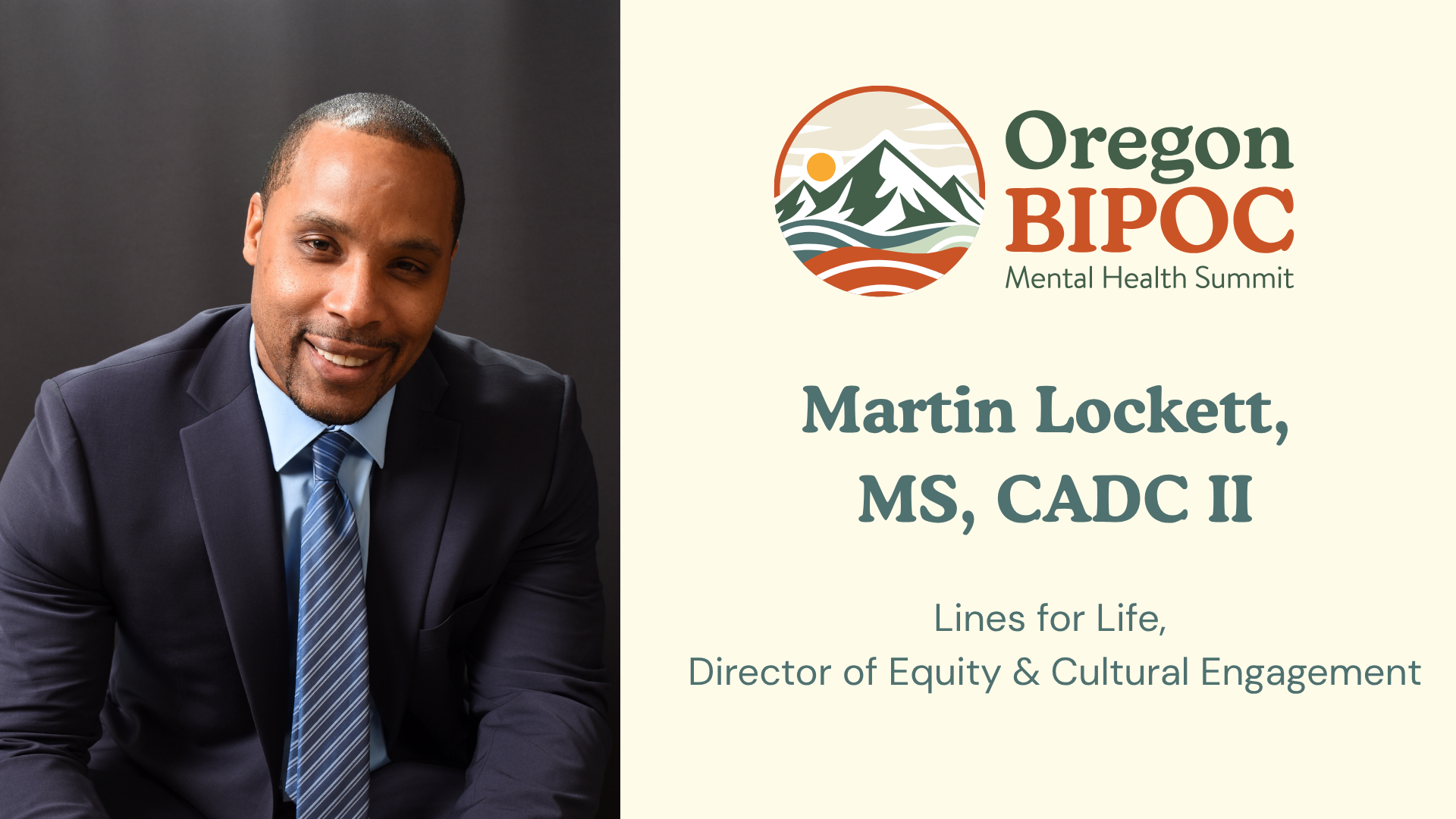
Martin Lockett, MS, CADC II | Community Healing Panel - Panelist
Lines for Life, Director of Equity & Cultural Engagement
As Director of Cultural Engagement, Martin leads a team of outreach coordinators into communities of color where their mission is to destigmatize mental health, substance abuse and suicide, build skills, and offer culturally responsive resources. Martin is a certified trainer in Mental Health First Aid, QPR, H.E.A.T 4 Youth, and Be Sensitive, Be Brave. His trainings are geared toward teaching community members who interact with, serve, and work with BIPOC individuals how to recognize signs and symptoms of mental health and suicidal challenges, appropriately respond, and how to refer for professional/cultural support.
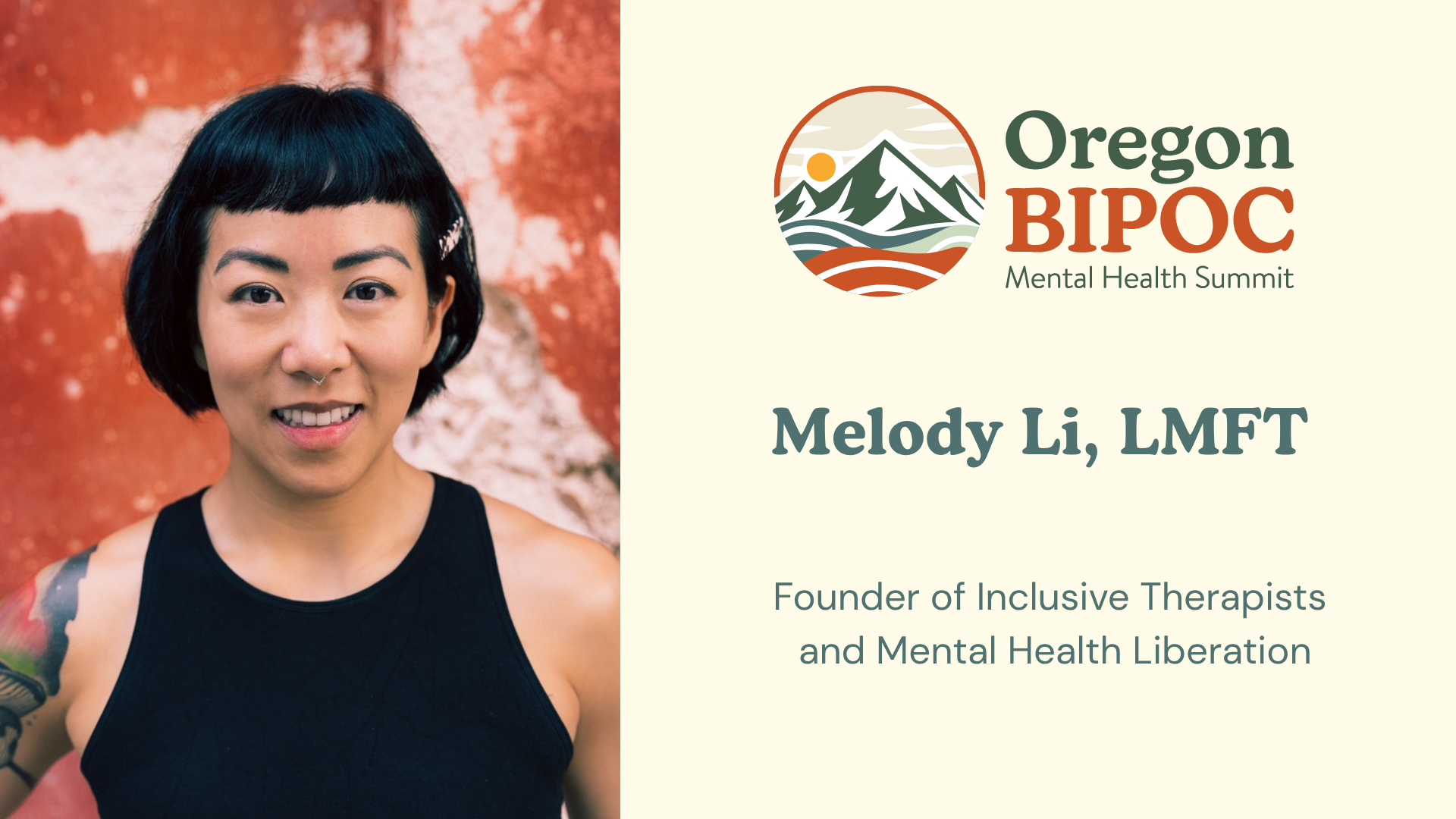
Melody Li, LMFT | Community Healing Panel - Panelist
Founder of Inclusive Therapists and Mental Health Liberation
Melody Li is a mental health justice advocate, rooted in collective liberation and healing. They founded Inclusive Therapists and Mental Health Liberation to advance access to care grounded in racial, 2SLGTBTQIA+ and disability justice. In the Healing Justice ecosystem, Mel is reimagining ways to uplift and sustain movement organizers to co-create the world we need.
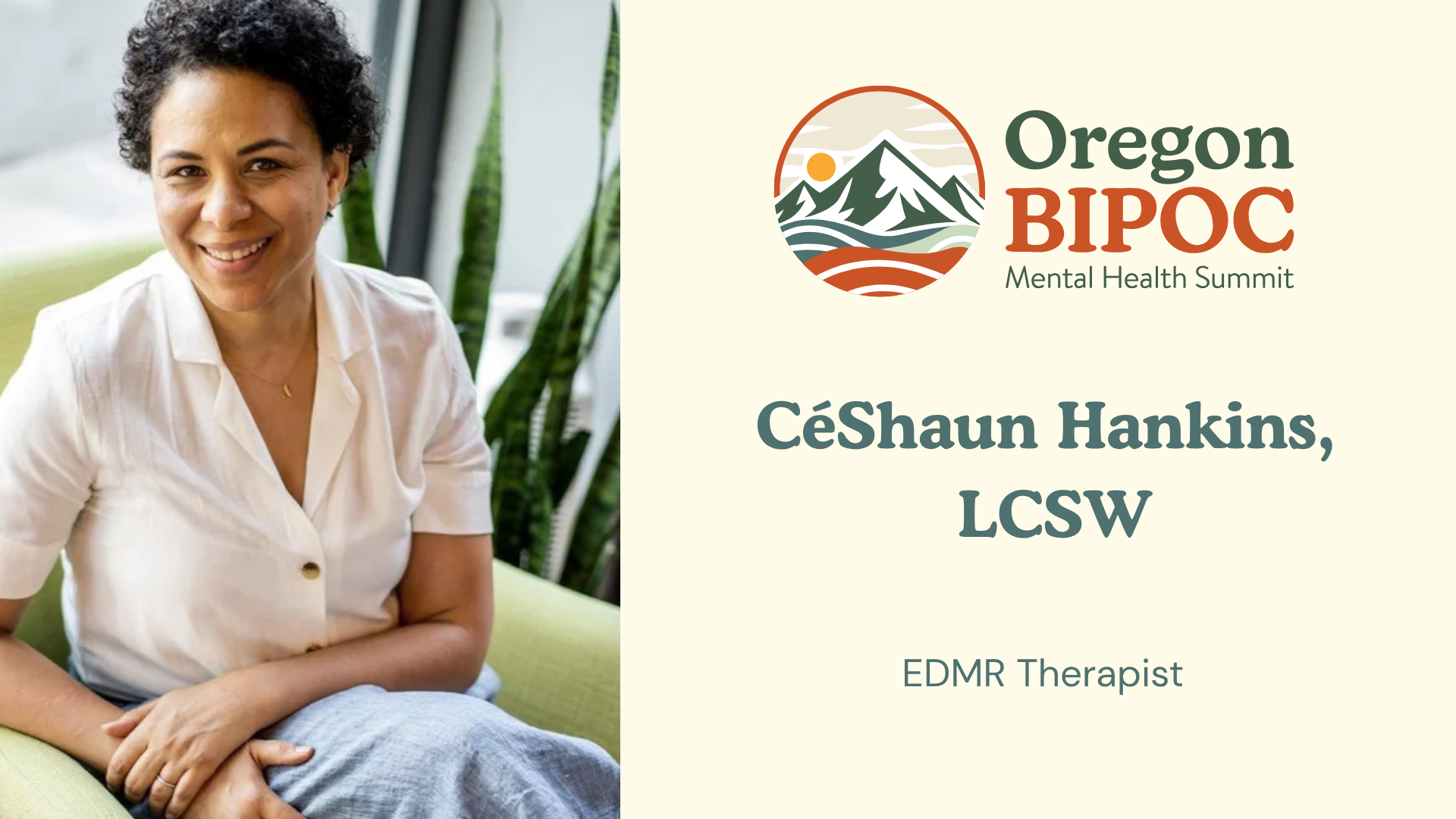
CéShaun Hankins | Community Healing Panel - Panelist
EDMR Therapist
My approach is informed by nearly two decades of work in the fields of mental health and social work. With that, I remain critical of the oppressive origins of modern Western mental health and continue to work to decolonize my practice. Even though I’ve been extensively trained in various therapeutic modalities considered evidence-based practices, today, I intentionally incorporate methods that are inclusive, flexible and/or are rooted in anti-oppression.
I primarily utilize trauma-responsive and whole-self (aka somatics or embodiment) practices such as mindfulness and EMDR. I orient my work in a Liberation-Focused healing framework that centers decolonial practice as well as the Black experience. I’m Black, biracial, a mom, a plant and animal parent, a partner, an oldest sister, daughter and friend. I’m originally from Southern California but genuinely enjoy the rain and seasons of Oregon. My career has been multi-faceted but the thread through it all has been social justice, service, and creativity. My hobbies include reading, cooking, travel and gardening. I am wholeheartedly dedicated to my own restorative practices. I love to bring levity and laughter to my work. I find playfulness builds connection and a sense of ease in a process that can be uncomfortable at times.
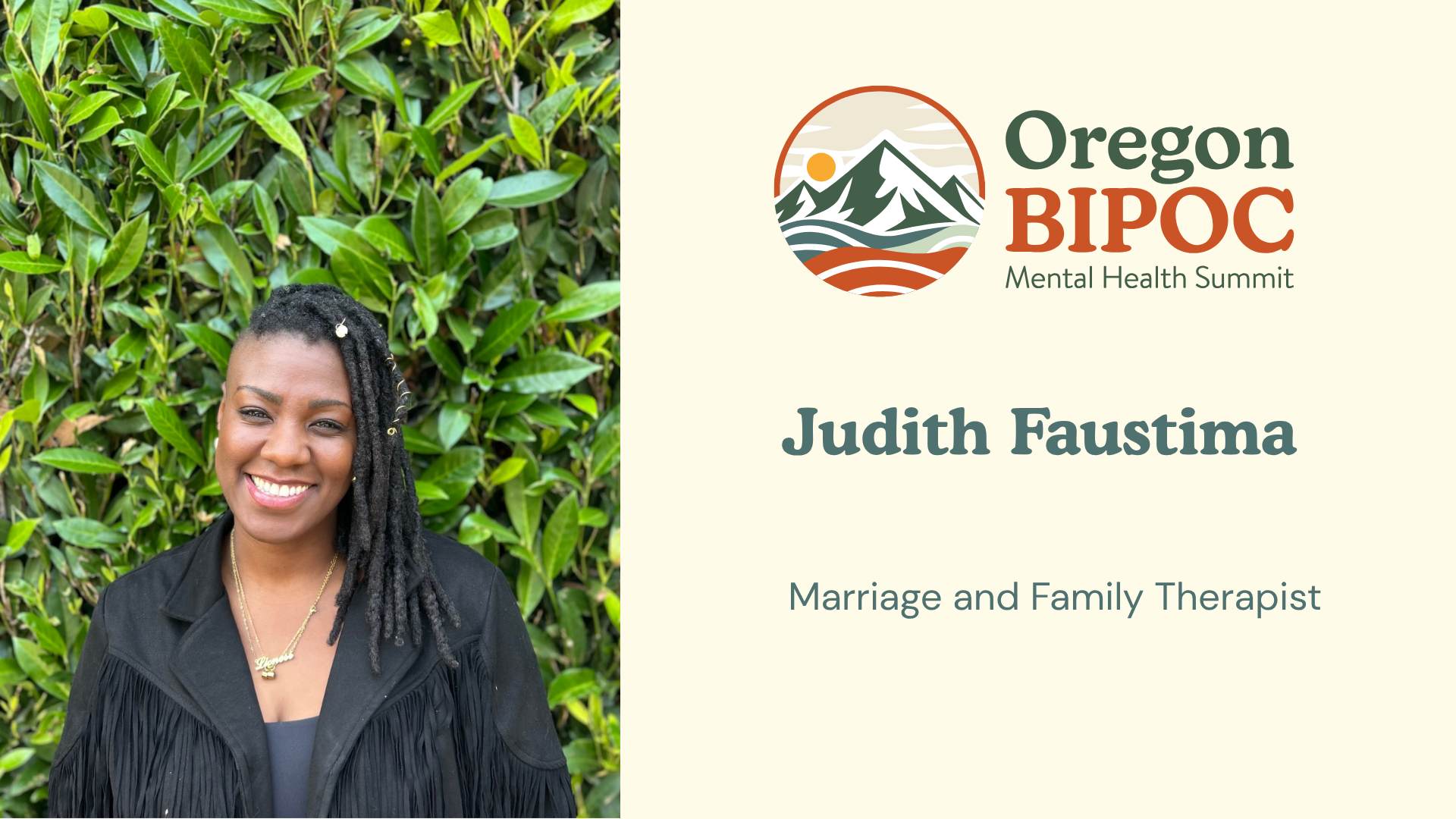
Judith Faustima (she/her/Li) (Haitian-Creole) | Community Healing Panel - Panelist
Judith (jee-deet) is an Afro-Haitian American, female identifying, cis-gender, queer licensed Marriage and Family Therapist. She currently resides in the lands of the Northern Paiutes, the Wascos, and the Warm Springs bands. Judith has gained a lot of experience in the field of mental health and continues to challenge her learning and education through seeking support in decolonizing mental health and the way she provides services, creates, teaches and supervises. She is also a university faculty member and is currently a doctoral candidate in a Marriage and Family Doctorate program specializing in program development focusing on increasing parent engagement with adolescents in residential treatment. Judith has years of experience working with outpatient clients through her private practice, Triune Health & Wellness, providing clinical supervision and development in the areas of systemic therapy and healing justice for mental health professionals seeking licensure, and working in Outdoor Behavioral Healthcare Programs as a Nature-Based therapist and Family Program Manager for parents with adolescents in residential treatment. Judith is Program Director and Operations for Liberation Pathways Healing Space which focuses on seeding liberation through remembering, connecting, and healing for historically marginalized populations. For pleasure and joy, Judith enjoys Caribbean music and dance, singing and participating in community theater, traveling internationally and taking time to rest!
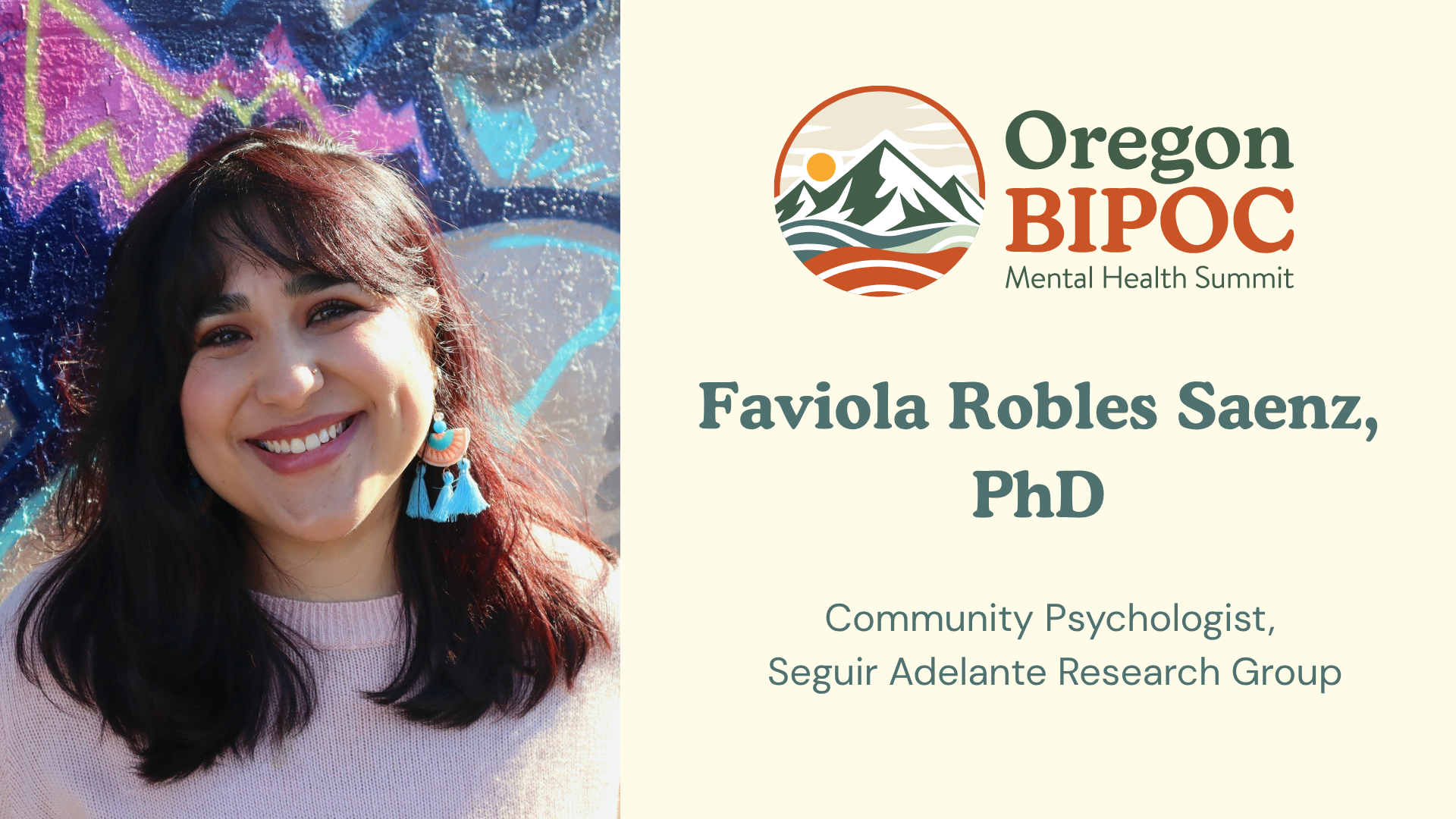
Faviola Robles Saenz, PhD | Workshop Facilitator
Community Psychologist, Seguir Adelante Research Group
Dr. Faviola Robles Saenz is a community psychologist and a recent graduate of Portland State University’s Applied Psychology PhD program. Inspired by her background as the daughter of Mexican immigrants, her research centers the psychological well-being of Latino immigrant families living in the U.S. She draws on Chicana feminist and critical perspectives, as well as Community-Based Participatory Research (CBPR) and Participatory Action Research (PAR) methods, to better understand how Latinos’ everyday environments shape their well-being. Through her work, she seeks to illuminate the oppressive structures that affect Latino families while also honoring and uplifting Latinos’ strengths, resistance, and cultural wealth. Her goal is to help inform policies, practices, and programs that support the mental health and improve the quality of life for Latino immigrant communities residing in the U.S.
Workshop: Sanando Collective Trauma through Our Activismo & Cultura
Join us to explore the history and research behind migration, anti-immigrant sentiment, and collective trauma experienced by Latino immigrants. Together, we will also dive into the rich history of our activismo and cultura, learning how we can lean into these roots to find strength, resistance, and healing.
#2 Youth Track Speakers
Designed for students and emerging leaders, this track provides opportunities to build leadership and self-advocacy skills, explore one’s intersectionality, identity, and belonging, and develop the tools needed to create positive change in their communities. Sessions emphasize empowerment, civic engagement, and mental health advocacy.
.png)
Devin Thongdy | Workshop Facilitator
Volunteer and Youth Development Coordinator
Born and raised in Anchorage, Alaska! Current graduate student who is passionate about mental health and works towards bridging the gap of generational trauma and generational healing. I also love to explore and experience new things, huge foodie, and love to connect with others over a meal. A favorite quote that helps me push through hard times and recognize that the sky is not the limit is "Nothing is impossible, it has the words 'I'm Possible' in it," by Audrey Hepburn.
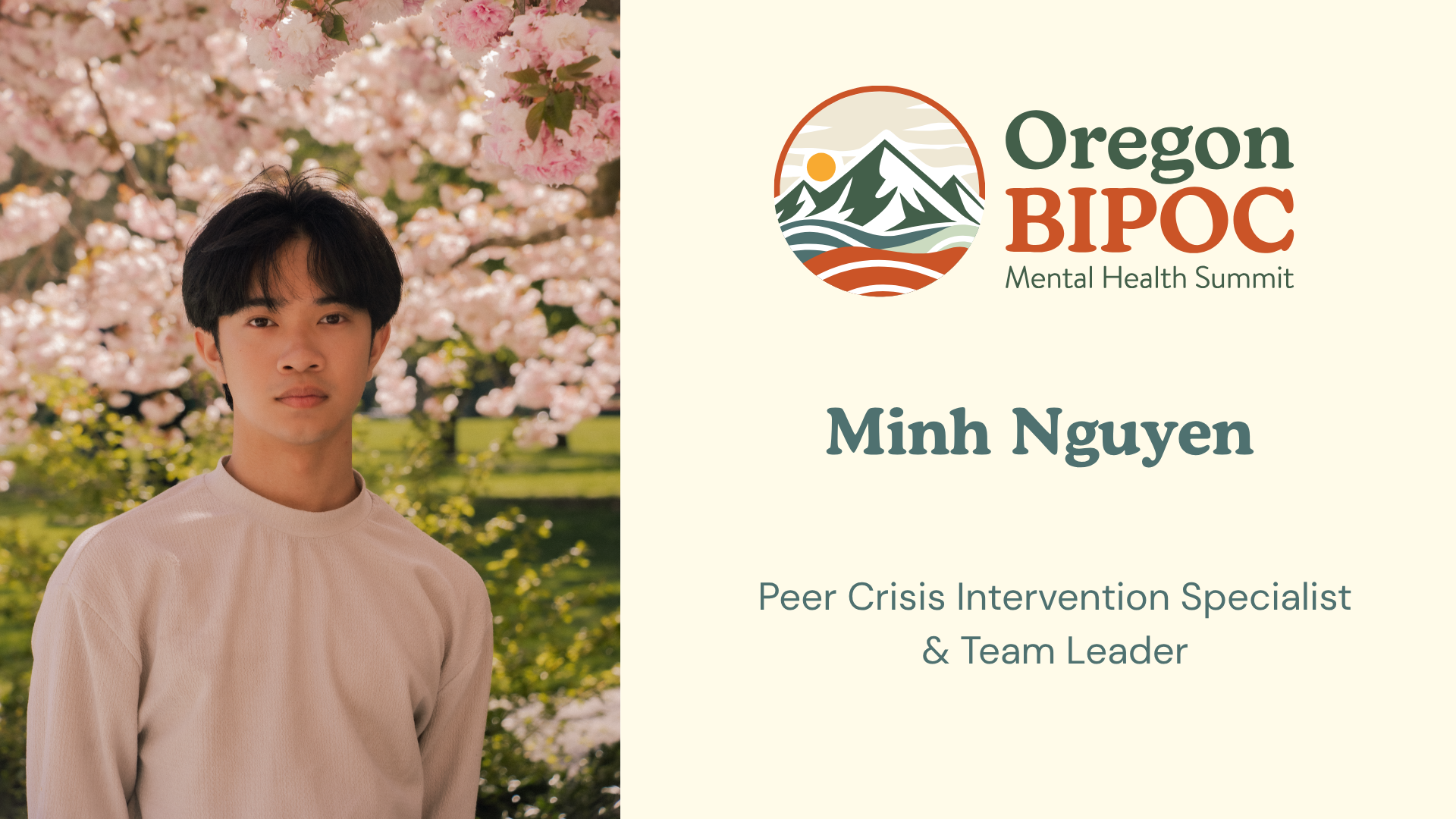
Minh Nguyen | Workshop Facilitator
Peer Crisis Intervention Specialist & Team Leader
As crisis workers, we dedicate time, patience, and most importantly empathy to anyone we get in contact with. We understand that the work is not only meaningful, but that it is one the best opportunities we have to be able to talk to someone who deserves a second chance at everything.
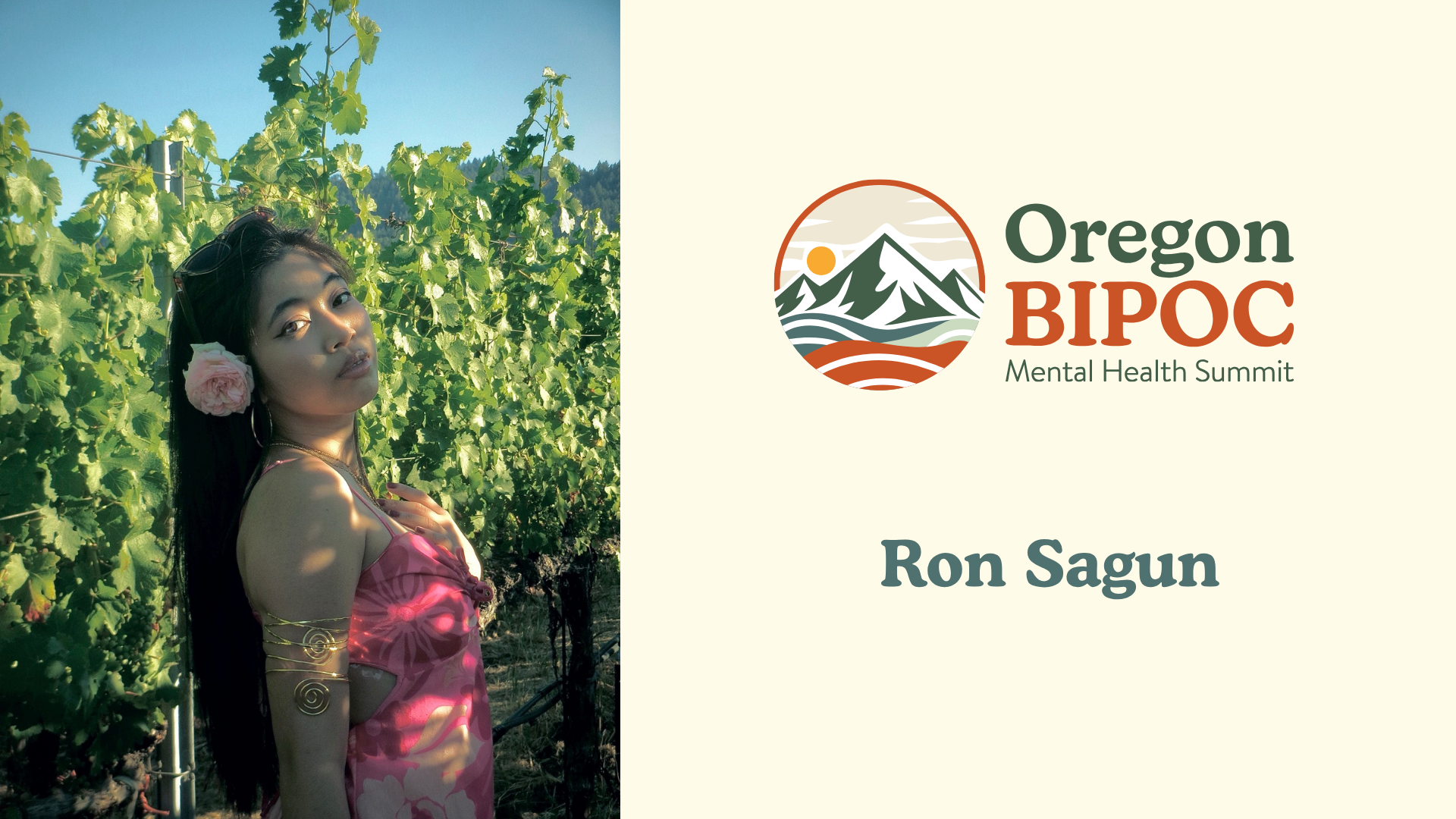
Ron Sagun | Workshop Facilitator
Malakas ang puno kapag diniligan ito. The tree is strong when we water, or care for our roots. Born in Pangasinan and raised in San Mateo, Philippines, I believe that there will always be more to learn about the world and we have the gift to keep our curiosity evergrowing. Although I'm passionate about equity and reconstructing tools of community to better represent and address our communities, I am even more passionate about learning from others and exchanging insights about the world. Let’s sit down together and learn from each other!
.png)
The work of the Center aims to create a space where Filipinos can find a home amongst each other and create opportunities to connect with, and to advocate for, our motherland and fellow kababayan. The center aims to connect community members to essential resources, while building capacity to engage with the issues we face as a Filipino community towards positive change. The center’s programs and projects are in continuous development to reflect and respond to the fast-changing needs of the Filipino community.
#3 Professional Development Track Speakers
Equip behavioral health professionals, advocates, and community leaders with practical strategies to advance equitable mental health care. Topics include delivering culturally responsive services, utilizing policy and/or advocacy tools, and implementing community-informed practices that promote trust, access, and better outcomes.
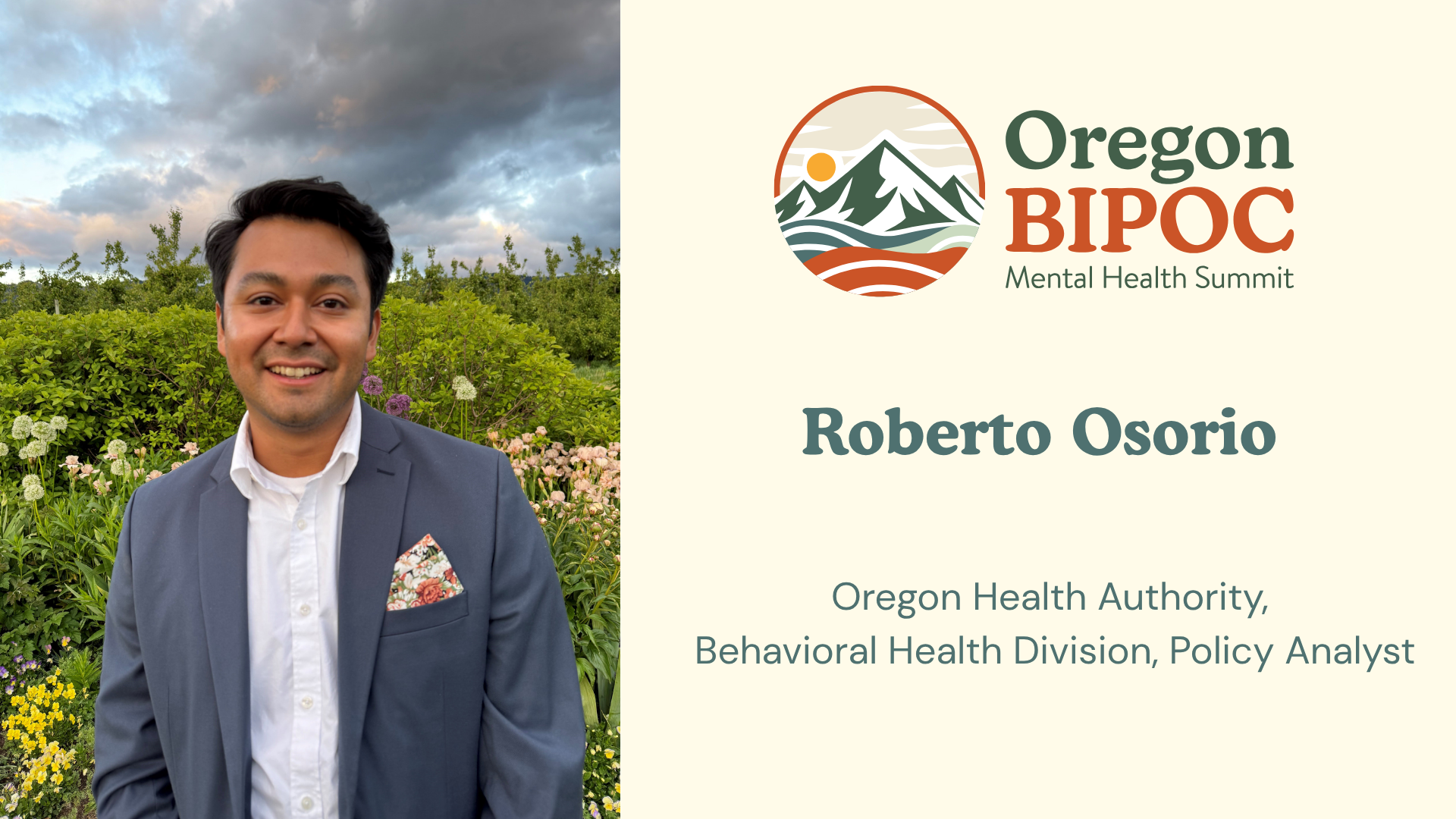
Roberto Osorio | Workshop Facilitator
Oregon Health Authority, Behavioral Health Division, Policy Analyst
I am a Policy Analyst with the Oregon Health Authority's Behavioral Health Division, where I support policy development and program implementation to expand equitable access to culturally and linguistically specific behavioral health services. I am one of the co-managers of the culturally and linguistically specific services enhanced payment program that supports behavioral health providers statewide and have nearly a decade of experience spanning behavioral health policy, legal services and child advocacy. As a first-generation college graduate from the University of California, Santa Cruz, I am passionate about building policies that improve health outcomes and promote equity.
Workshop: Sustaining the Frontline: Supporting Suicide Prevention Through Equity
Youth and adults in Oregon experience clear disparities in suicide deaths, especially in communities who face systemic barriers and historic marginalization. Culturally specific providers are often the first people these communities turn to for support. These providers bring lived experience, cultural knowledge, and trusted relationships — but they also carry heavy workload demands, chronic exposure to system level harm, and burnout. This session shares how the Behavioral Health Equity & Community Partnerships team is shifting how we work with culturally specific partners. Instead of a transactional, paperwork heavy relationship, we are practicing radical listening and space holding — showing up without a preset agenda, learning directly from providers, and centering the needs of communities instead of system requirements. These practices are anti oppressive because they remove unnecessary burdens and make room for community leadership. We also describe how this way of partnering helps sustain Oregon’s culturally specific workforce. When our providers feel heard, respected, and supported, they can continue delivering suicide prevention, intervention, and postvention services that save lives. This approach does not claim to be a “framework,” but it does build the foundation for one in the future.
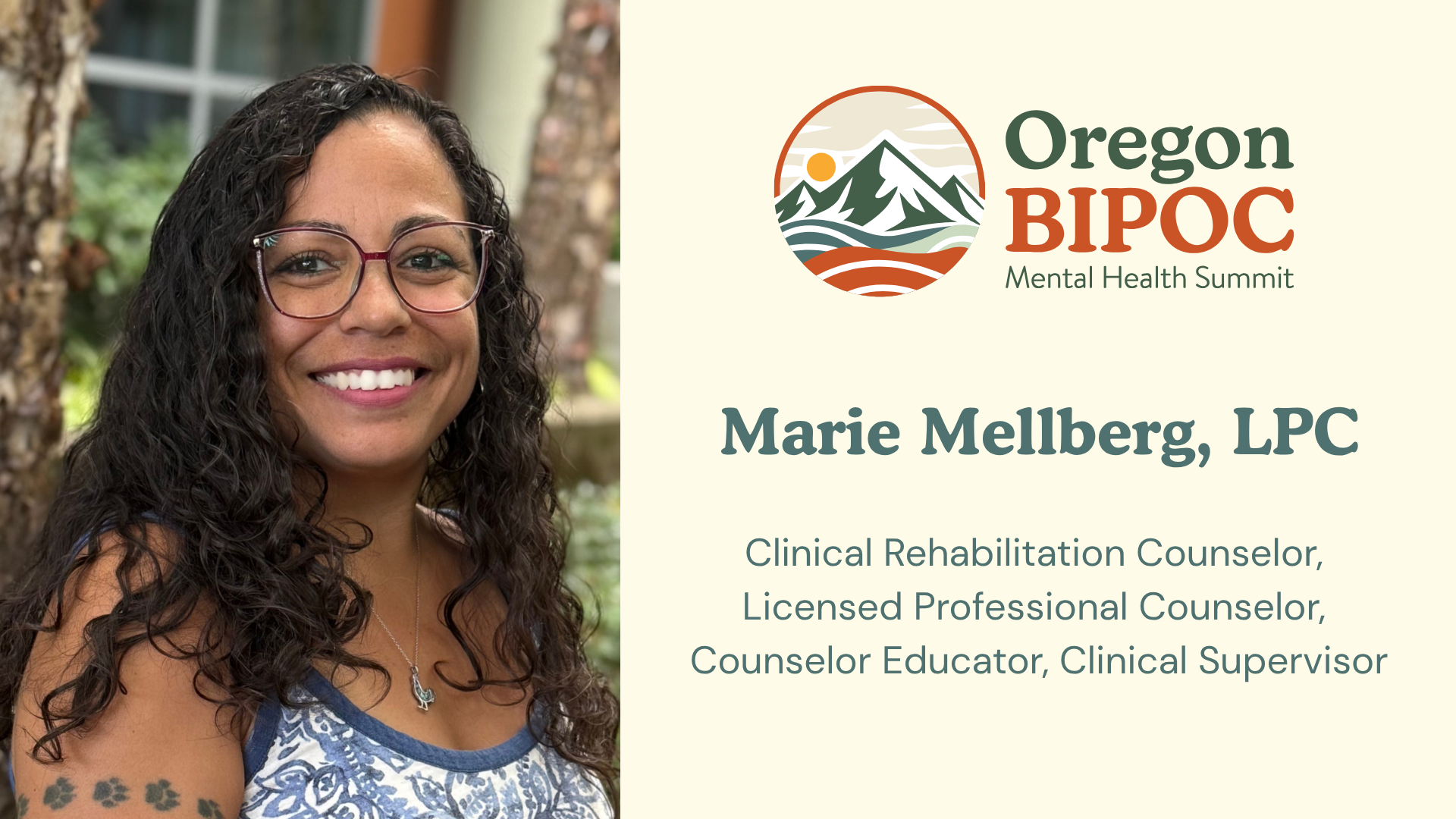
Marie Mellberg, LPC | Workshop Facilitator
Marie (pronounced like "Mary") Mellberg, is a trans-racial adoptee, Queer Woman of Color, and disabled person with a non-apparent disability, bringing lived experience and professional expertise in culturally responsive mental health. With a master’s in Clinical Rehabilitation Counseling, along with extensive teaching, supervision, and advocacy experience, she is dedicated to supporting marginalized communities and early-career clinicians through a strengths-based, relational approach. Committed to equity and deep understanding, she creates safe, collaborative spaces that honor diverse identities, address systemic injustices, and empower BIPOC therapists working with white clients in Portland’s unique sociocultural landscape.
Workshop: Holding Both: Clinical Practice for BIPOC Therapists Working With White Clients in Portland, Oregon
The workshop aims to help participants identify common clinical dynamics such as cultural taxation, racialized transference and countertransference, and expectations of racial labor when working with white clients. It emphasizes ethical, sustainable practice strategies, including boundary-setting and consultation practices aligned with the ACA Code of Ethics. The workshop also incorporates creative arts techniques to explore the relationship between personal/cultural identity and professional clinical identity.The training promotes reflection, community building, and self-care among BIPOC clinicians working in predominantly white settings. It includes practical tools such as self-assessment and artistic expression to support clinicians' ongoing resilience and cultural competence.
Special Session: Storytelling Workshop with Christopher Diaz
.png)
Christopher Diaz | Workshop Facilitator
Christopher Sablan Diaz is a poet, performer, and indigenous CHamoru from the Pacific Island of Guåhan. He’s been featured by NBC News and has received support from Indigenous Nations Poets, Kundiman, the McCormack Writing Center, the Washington State Arts Commission, and the Sitka Center for Art & Ecology. Lately, his poems have been interrogating masculinity, deconstructing his military service, and exploring the grief of assimilation and intergenerational trauma. He’s taught poetry with “Writers in the Schools” and volunteers to co-facilitate monthly writing workshops at the juvenile detention center in Vancouver, WA.
Tickets are still available, join us at the BIPOC Mental Health Summit!
Latest articles
Browse all articles.png)
BIPOC Mental Health Summit Workshops